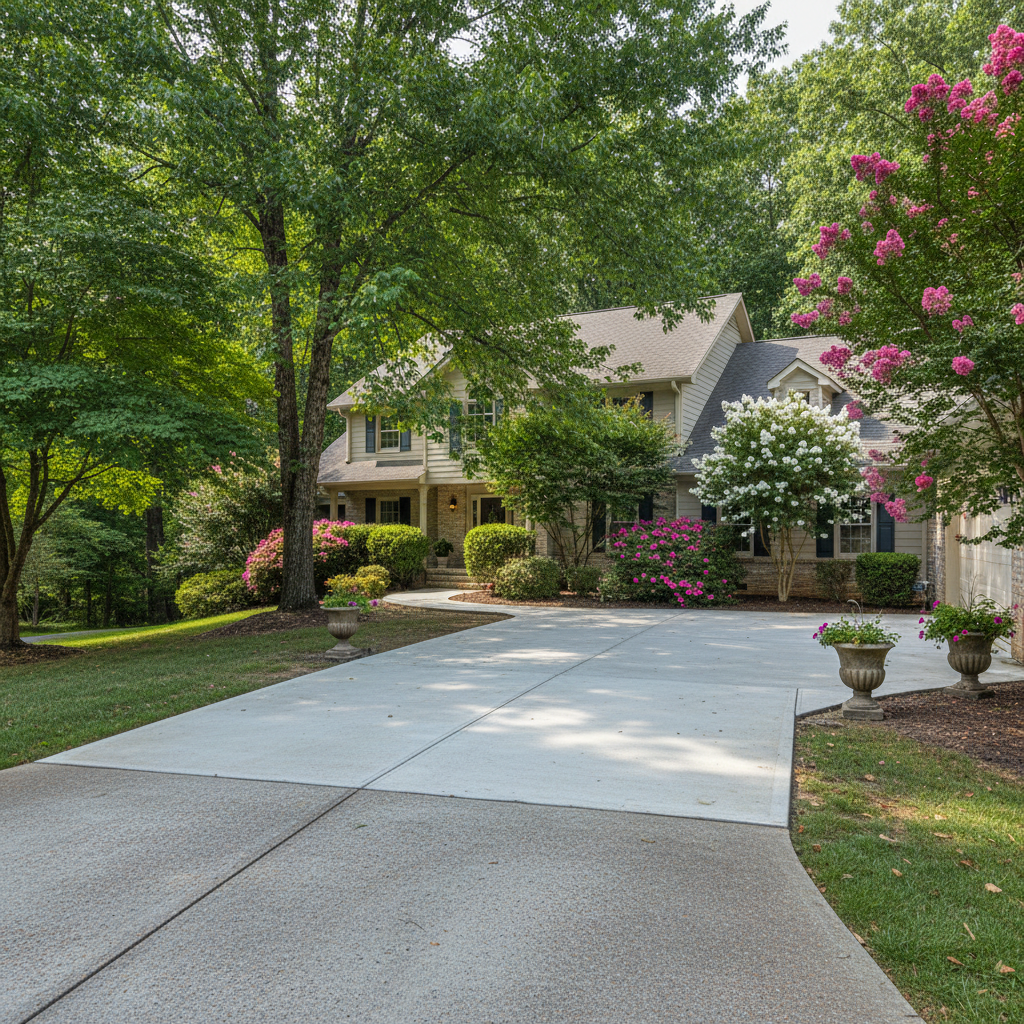
Got a crack in your driveway? Maybe a patio slab is sinking, or your sidewalk just looks rough. You know it needs fixing, but when's the best time to actually get it done here in Lenoir? It's not as simple as just calling someone up the moment you spot a problem. Our local climate, with its hot summers and those surprisingly cold winters, really makes timing a big deal for concrete repair.
Why Weather Really Matters for Concrete
Think about it for a second: concrete isn't just a solid block. When we pour it and it starts curing, that's a chemical reaction happening. Temperature and moisture are absolutely critical to that whole process. If it's too hot, the water in the mix evaporates way too fast, which leads to a weaker, more brittle surface. And if it's too cold? Well, the curing process slows down or even stops entirely, and that also messes with its strength. Then, of course, there's the freeze-thaw cycle we deal with every single year.
Here in Lenoir, especially in those older, historically established neighborhoods, you'll see concrete that's been through decades of this. The ground freezes, expands, thaws, contracts — that constant movement puts a huge amount of stress on concrete. Water sneaks into tiny cracks, freezes, expands, and just makes those cracks bigger. It's a never-ending battle, really.
The Best Times for Concrete Repair in Lenoir
From my experience, the sweet spot for most concrete repair work is usually spring and fall. Here's why:
- Spring (Late March to Early June): The ground has typically thawed out completely by then, and temperatures stay pretty mild. We're looking for daytime highs somewhere between 50 and 80 degrees Fahrenheit. This lets the new concrete or repair materials cure slowly and evenly, helping them reach their maximum strength. Plus, you're past the worst of winter's freeze-thaw, so any underlying issues from that cycle are usually pretty obvious.
- Fall (Late September to Early November): Just like spring, the temperatures are moderate, and the air isn't too humid or overly dry. This gives the concrete plenty of time to cure before the truly cold weather sets in. You definitely want to make sure the work is finished well before that first hard freeze hits.
When to Be Careful (or Just Avoid It)
There are definitely times when it's just smarter to hold off on any big concrete repairs:
- Mid-Summer (July & August): It gets seriously hot here, doesn't it? When temperatures consistently hit the high 80s or 90s, the water in the concrete mix can evaporate too quickly. This can lead to what we call 'flash setting' and, frankly, a weaker, more porous concrete that's more likely to crack later on. If repairs absolutely have to happen then, we take extra precautions — things like misting, using special curing compounds, and working early in the morning.
- Winter (December to Early March): Unless it's an absolute emergency, I generally advise against major concrete work during the coldest months. If temperatures drop below 40 degrees Fahrenheit, the hydration process slows significantly. And if it freezes? The water in the concrete can turn to ice before it's properly cured, causing massive damage. Sure, you might see contractors using special admixtures or insulated blankets, but it's always riskier.
Protecting Your Investment Year-Round
Even after Coastal Concrete Co fixes your concrete, your job isn't quite done. A little preventative care goes a long way, believe me:
- Seal It: Once your concrete has fully cured (that's usually about 28 days), apply a good quality concrete sealer. This acts like a shield, stopping water, oil, and other contaminants from getting into the surface. It's your best defense against the freeze-thaw cycle. You'll want to reapply it every few years, depending on the product and how much traffic it gets.
- Clean Regularly: Sweep off debris, leaves, and dirt. These can trap moisture against the concrete, encouraging moss or algae growth and eventually leading to surface damage.
- Address Spills Immediately: Oil, gas, or other chemicals can stain and degrade concrete over time. Clean them up as soon as they happen; don't wait.
- Mind the Drainage: Make sure water drains away from your concrete slabs, not towards them. Poor drainage is a huge culprit for undermining slabs and causing cracks and settling. If you've got a downspout dumping water right next to your patio, extend it, please.
- Don't Overload It: If you've got a concrete driveway, don't park extremely heavy vehicles on it for extended periods if it wasn't designed for that kind of load.
By understanding how our Lenoir weather impacts concrete and taking these steps, you'll get a lot more life out of your repairs and your existing concrete. It's all about being smart with your timing and consistent with your care.